Importance of Plumbing and Sanitary Systems in Building Infrastructure
Importance of Plumbing and Sanitary Systems in Building Infrastructure
Plumbing and sanitary systems are essential components of any building. They ensure proper water distribution, waste management, and hygiene. Reliable plumbing systems are necessary for both residential and commercial buildings. These systems support daily operations by providing consistent water supply and effective waste disposal, which are critical for maintaining health and safety standards.
Water supply systems distribute clean water throughout the building. Proper installation ensures efficiency and prevents leakage issues. Underground pipelines play a key role in maintaining durability. Advanced piping solutions and proper system planning help reduce water loss and improve long-term performance. Efficient water management also supports sustainability and reduces operational costs.
Role of Sanitary Systems
Sanitary systems manage wastewater and drainage. Efficient drainage prevents water accumulation and maintains hygiene. Proper design ensures effective waste management. Well-designed systems also prevent blockages and reduce environmental impact by ensuring safe disposal of waste materials.
Maintenance and Performance
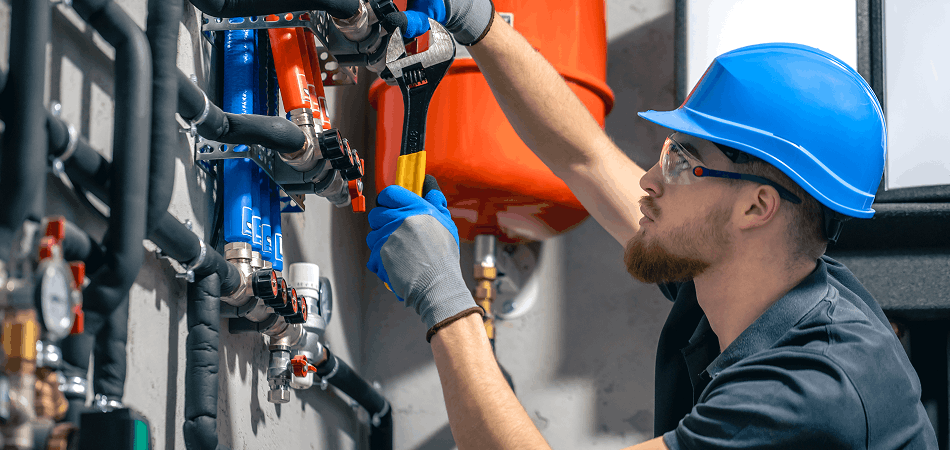
Regular maintenance ensures plumbing systems function properly. Early detection of issues helps prevent major repairs. Using quality materials improves durability. Scheduled inspections and timely servicing enhance system efficiency and reduce unexpected failures. Proper maintenance also ensures consistent performance and long-term reliability.
Conclusion
Proper plumbing and sanitary systems ensure efficiency, hygiene, and long-term performance in building infrastructure while supporting sustainability, reducing maintenance costs, and improving overall building functionality and operational reliability.
Advanced Solutions For Fire Protection
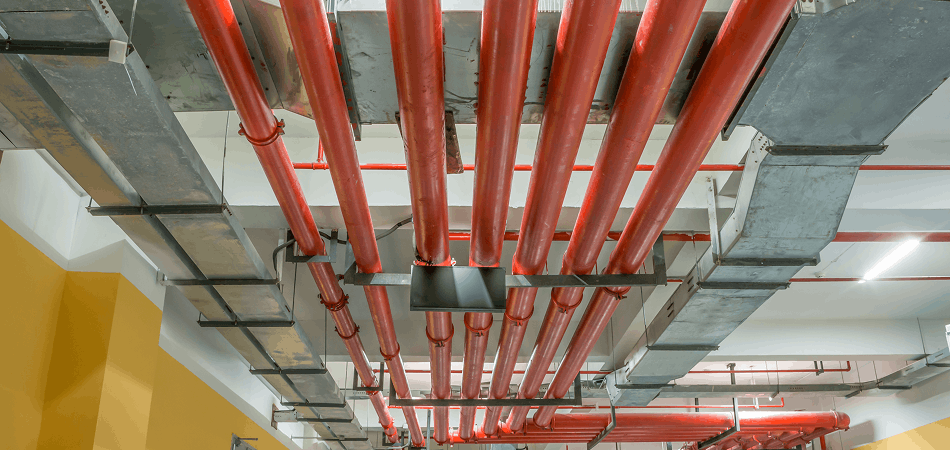
Effective fire safety measures prevent accidents, protect property, and ensure the well-being of everyone